

The Top Functional Fitness Moves For Better Mobility And Balance

Building better mobility and balance begins with simple movements that fit easily into daily life. These exercises help you develop strength and stability, which can make everyday actions like walking, climbing stairs, or reaching for items feel smoother and more secure. As you practice these routines, you may notice greater ease and confidence in your movements. The following exercises use straightforward patterns designed to work several muscle groups at the same time. No specialized equipment is necessary—just your own bodyweight or some basic items you might already have at home or at a local gym.
Each section explains how to perform the move, highlights common errors, and offers tips to scale intensity. You’ll learn how to integrate these drills into a routine that fits your schedule. Consistency matters most: commit to two or three sessions per week. Track your progress by noting reps, range of motion, and balance time. With these functional fitness moves, you’ll notice more ease in daily tasks and fewer limits on what you can do.
Advantages of Functional Fitness for Mobility and Balance
- Improve joint movement range for bending, twisting, and reaching
- Coordinate muscles across multiple planes of movement more effectively
- Strengthen your core to support your spine and improve posture
- Lower your risk of injuries during everyday activities and sports
Beyond physical improvements, these moves boost your confidence when walking on uneven ground or carrying groceries. You’ll reduce fatigue during long days on your feet. Learning to move efficiently helps you recover faster from minor aches and sprains. The positive effects extend to work, play, and daily chores.
Key Move 1: Squat Variations
Standard squats activate your quadriceps, hamstrings, glutes, and core in a single motion. To perform one, stand with feet hip-width apart, chest up, and hips pushed back. Lower until your thighs reach parallel or slightly below. Push through your heels to stand back up. Keep your weight balanced and your knees tracking over your toes.
Try goblet squats by holding a dumbbell or kettlebell at chest level. This variation encourages an upright torso and deeper hip flexion. For a side-to-side challenge, do lateral squats. Step wide, shift your weight to one leg, and bend the knee while keeping the other leg straight. Switch sides. These options increase hip mobility and target stabilizer muscles.
Key Move 2: Single-Leg Deadlift
The single-leg deadlift tests your balance while strengthening your posterior chain. Stand on one leg with a slight bend in the knee. Hinge at the hips, leaning your torso forward as the free leg extends behind you. Keep a straight line from your head to your heel. Lower until you feel a stretch in your hamstring, then return to standing.
Hold a light weight in the opposite hand for extra resistance. Focus on moving slowly and avoid rounding your back. To make it easier, lightly touch your elevated toe on the floor for stability. To make it harder, use a heavier dumbbell or stand on an unstable surface. Track your balance time or reps per side to see your progress.
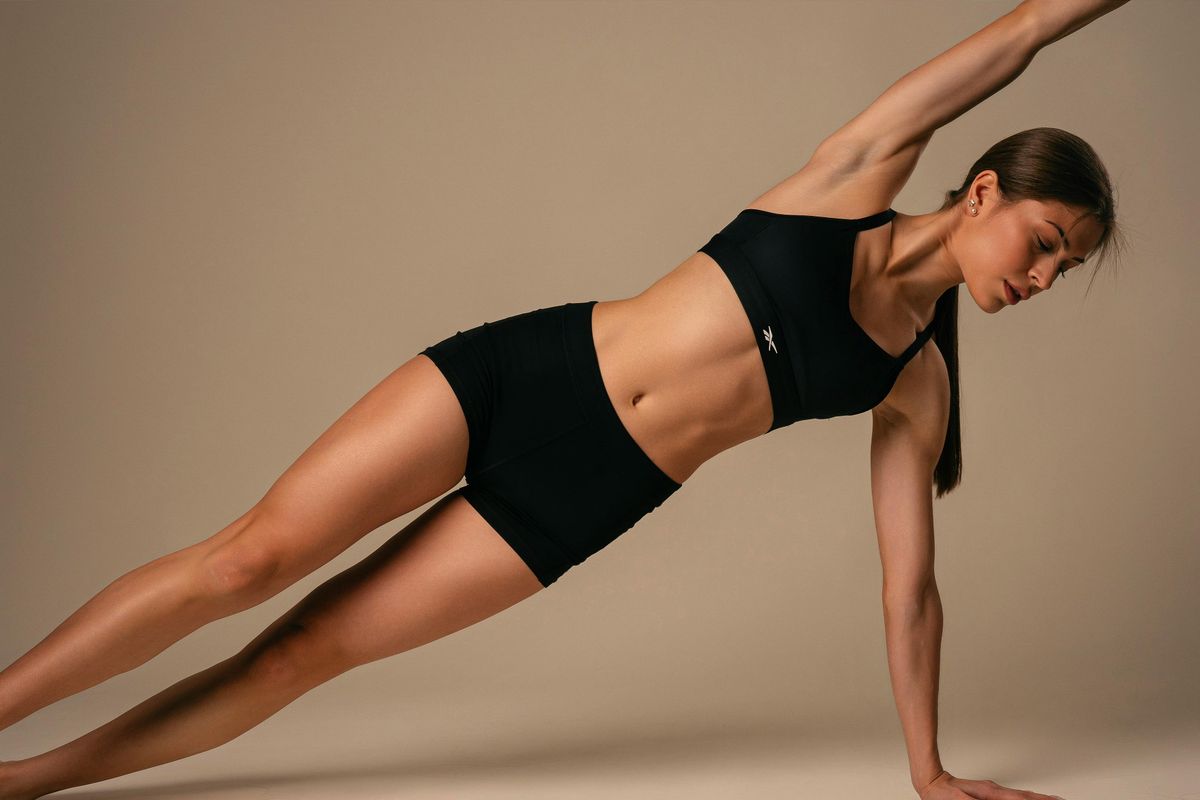
Key Move 3: Plank with Reach
The plank with reach strengthens your core and challenges your shoulder stability. Start in a high plank position with hands under your shoulders and body in a straight line. Shift your weight slightly to one side and lift the opposite hand off the floor. Extend that arm forward, hold briefly, then return. Switch sides.
Keep your spine neutral and avoid rotating your hips. If a full plank feels too hard, drop to your knees while maintaining a straight line from shoulders to hips. To increase difficulty, lift the opposite leg as you reach forward. Focus on controlled movements rather than speed.
Incorporate These Moves into Your Routine
- Warm up for 5–10 minutes with dynamic stretches like leg swings and arm circles.
- Do 2–3 sets of each move, starting with 8–12 reps or 20–30 seconds for plank holds.
- Rest for 30–60 seconds between sets to keep intensity high without compromising form.
- Progress by adding weight, increasing range of motion, or reducing rest time.
- Finish with static stretches focusing on hips, hamstrings, and shoulders.
Sticking to your routine leads to progress. Mark your workouts on a calendar and note changes in reps, range, or balance duration. Change your plan every 4–6 weeks to keep your body adapting.
Safety Tips and How to Track Your Progress
- Prioritize proper form before adding weight. A stable base minimizes injury risk.
- Use a mirror or record yourself to check alignment and identify weak spots.
- Practice barefoot or in flat shoes to improve foot stability and awareness.
- Keep a log of each session: list the moves, sets, reps, and any pain or discomfort.
- Test your progress with simple exercises like single-leg stand time or squat depth measurements.
Pay attention to your body. Mild muscle soreness indicates growth; sharp pain means you should stop. Adjust your range or volume if your joints feel strained. Consult a trainer for personalized advice and modifications.
Incorporate these fitness moves into your routine to improve your daily activity and move confidently and comfortably.